
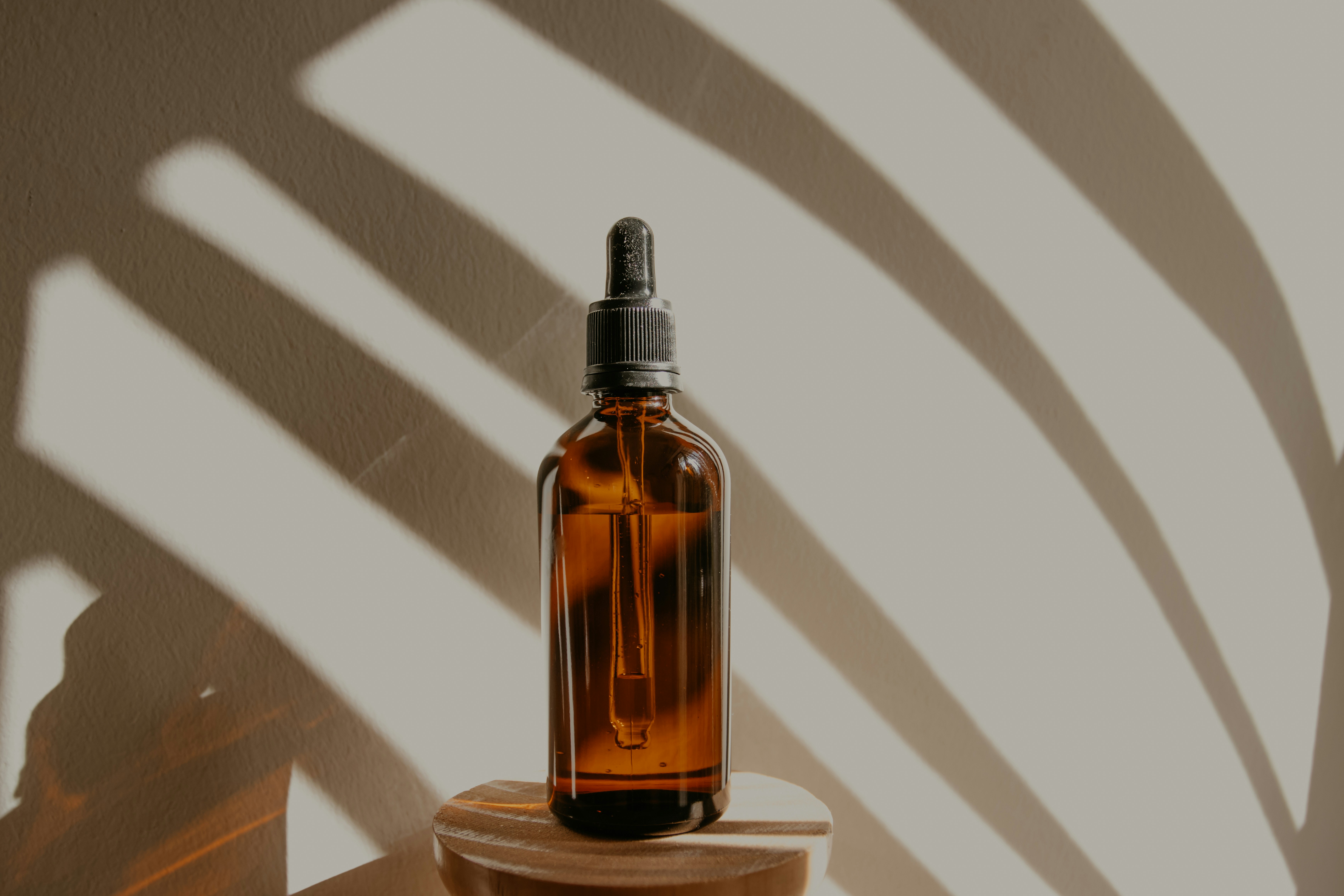
Neem oil has become a favourite in the world of gardening and plant care. But is it really the miracle solution it’s made out to be? Let’s break it down.
At Planteka, we help plant lovers like you care for their green spaces with confidence—whether it’s through practical articles like this one, workshops, or one-on-one Plant Doctor consultations. Here’s everything you need to know about neem oil: what it is, how it works, and when it might not be the right solution.
What is neem oil?
Neem oil is a natural oil extracted from the seeds of the neem tree (Azadirachta indica), native to India and Southeast Asia. For centuries, it’s been used in traditional medicine and agriculture thanks to its antibacterial, antifungal, and insect-repelling properties.

Its active compound, azadirachtin, works as an insect growth regulator. It doesn’t kill pests instantly—instead, it disrupts their life cycle by interfering with feeding, molting, and reproduction. Pests may stop feeding quickly, but death can occur over several days; thus, patience and repeated application are necessary
This makes neem oil a gentle but effective tool for preventing infestations and managing certain plant issues.
When to use neem oil: what it’s good for
✅ As a preventive measure
Neem oil is most effective when applied regularly as a preventive treatment. It helps keep common pests away before they become a problem.
✅ Against soft-bodied pests
Neem oil works well on:
- Aphids
- Spider mites
- Whiteflies
- Mealybugs
- Thrips (with repeated applications)
It coats these insects and disrupts their growth cycle, slowly reducing their population.
✅ As a fungicide (to some extent)
Neem oil can help control fungal issues like:
- Powdery mildew
- Black spot
- Rust
But remember: it’s better at preventing fungal diseases than curing severe infections.
When neem oil WON’T help (or may even harm)
🚫 On hard-bodied pests
Neem oil is ineffective against pests like scale insects with hard shells or insects that don’t directly feed on the plant (e.g., adult beetles).
🚫 For severe infestations
If your plant is already overrun, neem oil won’t act fast enough. You might need to combine it with manual removal or stronger treatments.
🚫 On stressed plants or in high heat
Neem oil can burn leaves, especially if applied in full sun or during high temperatures (>30°C/86°F). Always apply in the early morning or evening and avoid using it on wilted or newly transplanted plants.
🚫 On seedlings or plants known to be sensitive to oils
A patch test is strongly recommended on all new plants.
Additions:
Always follow dilution guidelines. Concentrations above 1% can damage some plant species, so stick to recommended ratios to reduce risk.
Refrain from spraying when pollinators are present. Although neem oil is less harmful to pollinators and beneficial insects compared to most chemical insecticides, direct spraying can smother and harm any insect it touches (including helpful ones like ladybugs or bee larvae)
Neem oil is classified as safe for humans and pets if used according to guidelines, but avoid ingestion and direct eye contact.
How to use neem oil safely
- Mix it properly
Combine 1 teaspoon of cold-pressed neem oil + a few drops of mild liquid soap + 1 litre of water. Shake well to emulsify. - Apply with care
Spray on all surfaces of the leaves (top and bottom) and stems. Reapply every 7–14 days as needed. - Do a patch test
Test on one leaf before treating the entire plant to check for sensitivity.
Safety measures
- Skin & eye irritation: Neem oil can cause mild irritation if it comes in contact with skin or eyes. Always wash hands thoroughly after handling and avoid direct contact with eyes and mouth.
- Personal protection: Wearing gloves and possibly long sleeves is advisable, especially during spraying, to avoid skin contact. Neem oil can also stain surfaces, so take care to cover or move household items or porous materials during indoor treatments
- Avoid ingestion: Neem oil is not meant for human or pet consumption. Store out of reach of children and animals.
- Inhalation: Avoid breathing in sprayed droplets; use a mask if spraying large quantities indoors.
What type of neem oil to choose?
Cold-pressed, unrefined neem oil retains the most active compounds and is preferred for garden use over refined oils, which may be less effective.
Alternatives to neem oil
If neem oil isn’t an option (or you have pets sensitive to it), consider:
- Insecticidal soap (for soft-bodied pests)
- Diatomaceous earth (for soil pests)
- Biological control like ladybug or predatory mites
Neem oil can be a valuable tool when used correctly—but it’s not a cure-all. Learning to observe your plants and catch issues early is key to keeping them healthy.
If you’re unsure whether neem oil is the right choice or your plant problem seems too advanced, book a Plant Doctor consultation with our team. We’ll help you diagnose the issue and choose the best treatment.
💬 Have you tried neem oil before? Did it work for your plants? Share your experience in the comments!

 Planteka Community Blog
4 Comments