

What they are, why they’re a problem, and how you can help
At Planteka, we’re passionate about helping people connect with plants in meaningful, responsible ways. But not all plants are harmless — some, especially those not native to the region, can threaten local ecosystems and cause real damage. If you live in a Mediterranean climate (like much of Spain, southern France, or Italy), this is especially relevant: invasive species are on the rise.
In this guide, we’ll explain what invasive plants are, why they matter, and what you can do to enjoy your garden while protecting the environment.
What is an invasive plant?
An invasive plant is a species that is not native to a particular area and that spreads aggressively, often outcompeting native plants. Unlike simply “exotic” or “introduced” species, invasive ones cause ecological, economic, or social harm.
Many invasive species were originally introduced for ornamental or agricultural purposes — without anyone knowing they’d later become a problem.
Why are they a problem?
In Mediterranean ecosystems, invasive plants can:
- Displace native species and reduce biodiversity
- Alter water cycles by consuming large amounts of water
- Increase fire risk by creating dense, dry biomass
- Affect pollinator networks and disrupt animal habitats
- Cause economic losses in agriculture and conservation efforts
And because Mediterranean regions are already vulnerable to drought and desertification, the spread of these species can worsen climate-related stress.
Common invasive plants in Mediterranean areas
Here are some examples you might have seen — or even unknowingly planted:
1. Carpobrotus edulis (Hottentot fig / uña de gato)
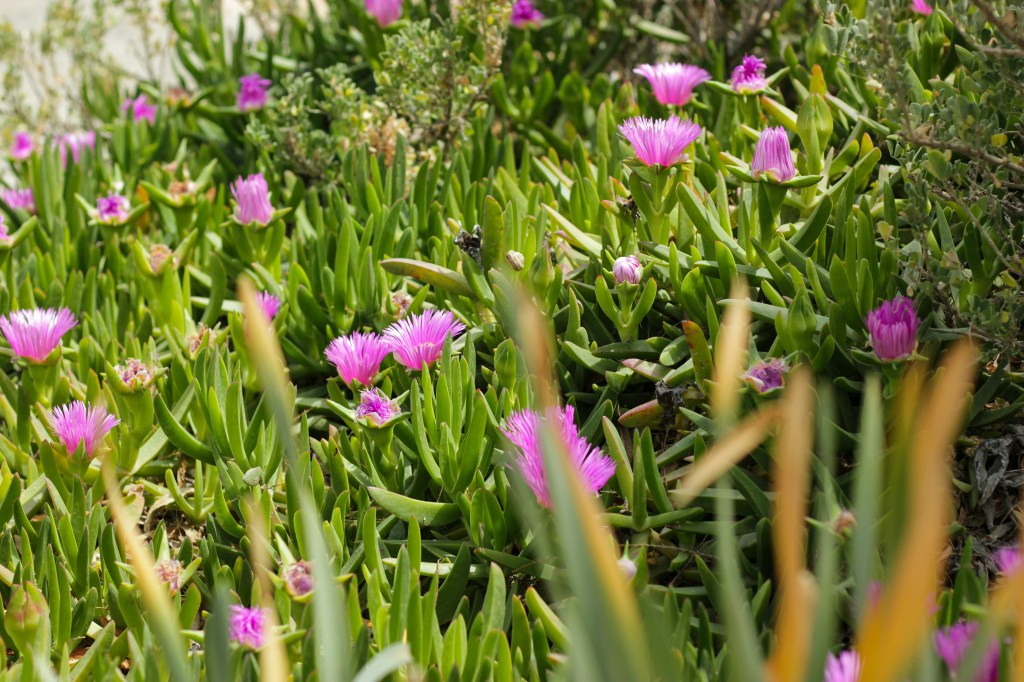
Originally from South Africa, this succulent was used to stabilize coastal dunes. It spreads aggressively, smothers native plants, and alters soil chemistry.
2. Ailanthus altissima (Tree of heaven / ailanto)

Fast-growing and highly resilient, this tree disrupts urban and rural ecosystems alike, producing allelopathic compounds that prevent other plants from growing nearby.
3. Cortaderia selloana (Pampas grass / hierba de la Pampa)
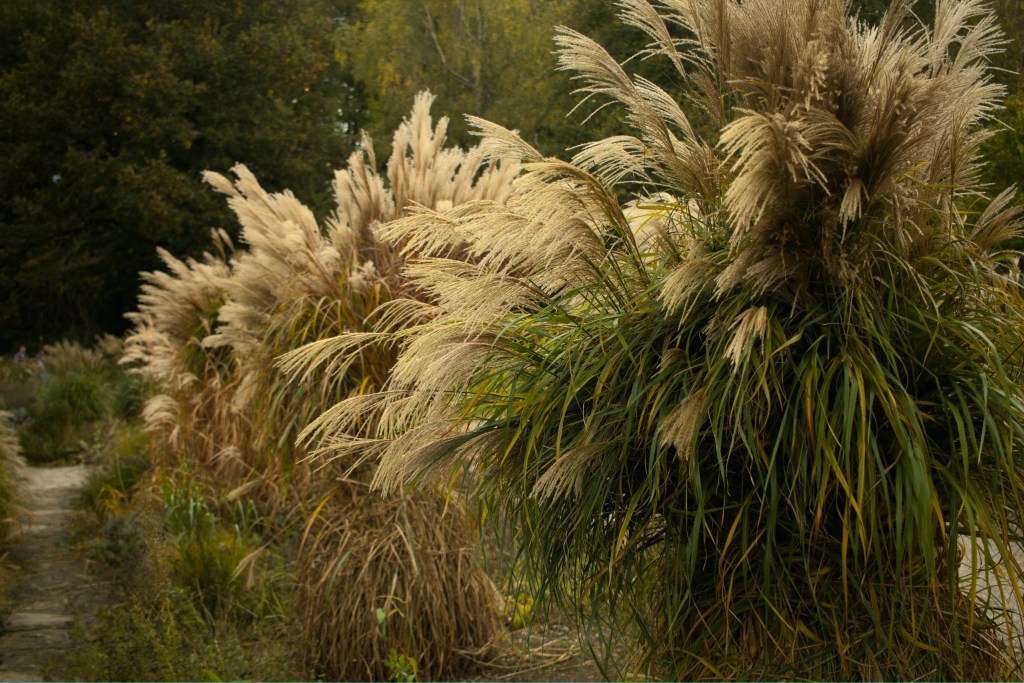
A popular ornamental with large plumes — but it produces thousands of seeds, spreads easily, and increases fire risk.
4. Arundo donax (Giant reed)
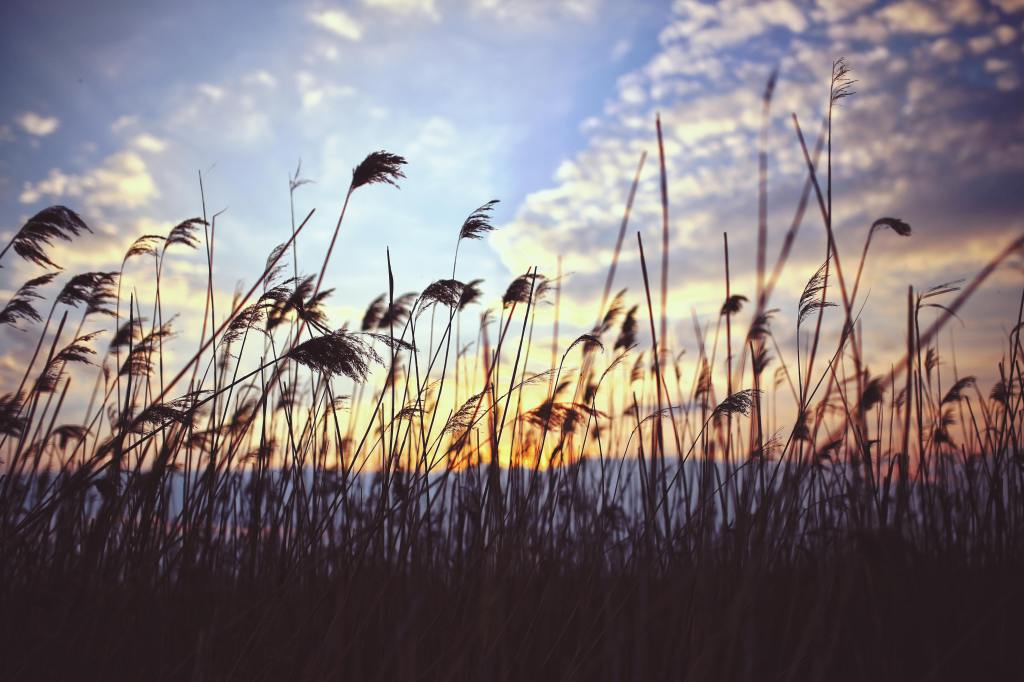
Invasive along riverbanks, where it displaces native vegetation, consumes water, and grows dense enough to block waterways.
5. Opuntia ficus-indica (Prickly pear cactus / chumbera)

Although traditionally cultivated, it can become invasive in dry, open areas where it spreads rapidly and competes with native flora.
What can you do as a gardener or plant lover?
You don’t need to give up gardening — just be more aware of what you plant and where. Here’s how:
1. Avoid planting invasive species, even if they’re sold in nurseries
Some nurseries may still offer species that are banned or discouraged. Always check official lists or ask an expert.
2. Choose native or well-adapted non-invasive plants
Mediterranean natives like lavender, rosemary, cistus, and salvia are beautiful, water-wise, and safe. Learn how to care for Mediterranean plants here.
3. Be careful with garden waste
Never dump plant material in natural areas — some invasive plants can regrow from just a small fragment.
4. Stay informed and spread the word
Awareness is key. If you’re part of a gardening group, local school, or municipality, share this info!
5. Ask for help if you’re unsure
Our Plant Doctor team can help you identify species and suggest safer alternatives for your garden, balcony, or terrace. A Planteka plant expert is always just a call away from you.
Gardening that respects local nature
At Planteka, we believe that every plant lover can also be a steward of nature. By making more mindful choices, we can enjoy beautiful, green spaces without harming the ecosystems we’re part of.
If you’re unsure whether a plant in your garden is invasive, or want help designing a Mediterranean-friendly planting plan, book a Plant Doctor consultation. We’re here to help you grow responsibly.
💬 Have you ever come across one of these species in the wild—or in your garden? Tell us your experience in the comments!

 Planteka Community Blog