
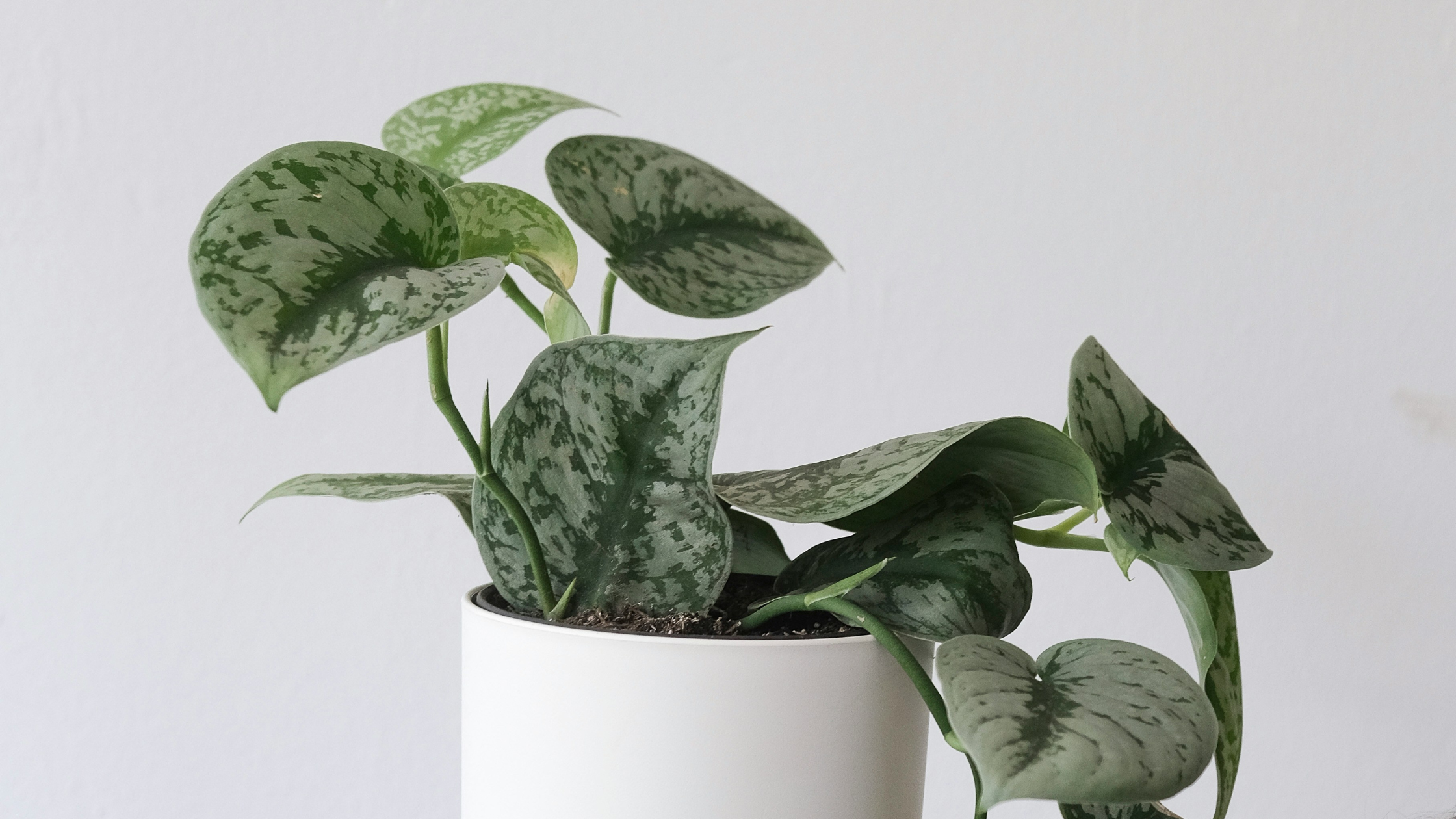
And how to use them to bring life to your home or garden
At Planteka, we believe that surrounding yourself with plants not only makes your space more beautiful—it also improves your well-being and deepens your connection with nature. Among all the amazing plant options out there, ornamental plants stand out for their ability to add beauty, color, texture, and personality to any corner. But… what exactly are they?
What does “ornamental plant” mean?
Ornamental plants are those grown mainly for decorative or aesthetic purposes, rather than for food or medicine. They’re chosen for features like:
- Leaf shape, color, or pattern
- Eye-catching or fragrant flowers
- Their form (climbing, trailing, tree-like, etc.)
- Texture, unusual fruits, or ability to cover spaces
You’ll find them in gardens, balconies, terraces, indoor spaces, and even public areas—helping create peaceful, vibrant, or bold environments. They can also serve practical functions, like providing shade, covering walls, attracting pollinators, or improving air quality.
Types of ornamental plants
There are endless options, but we can group them into a few main categories:
1. Flowering plants
Like geraniums, begonias, daisies, petunias, lavender, or hibiscus. Perfect for adding color and cheer to balconies or garden beds.
2. Foliage plants
Think calatheas, marantas, ferns, monsteras, or crotons. They stand out for their leaf patterns and textures—even without flowers.
3. Hanging or climbing plants
Like pothos, ivy, jasmine, bougainvillea, or passionflower. Great for shelves, pergolas, or walls.
4. Succulents and cacti
Low-maintenance and sculptural in form. Includes echeverias, sedums, aloe vera, or euphorbias. Perfect for sunny spots or forgetful plant parents.
5. Ornamental shrubs and trees
Like bay laurel, boxwood, dwarf citrus, Japanese maples, or small palms. These give structure and visual weight to a garden.
6. Aquatic ornamentals
Such as water lilies or water hyacinths—great for ponds, fountains, or water features.
Where can you use ornamental plants?
✅ Indoors:
They bring warmth and vibrancy to living rooms, kitchens, bathrooms, or desks. Examples: snake plant, calathea, pothos, ficus.
✅ On balconies and terraces:
Choose sun- and wind-resistant plants like geraniums, succulents, lavender, ivy, or rosemary.
✅ In gardens:
Mix different heights, textures, and bloom times to create interest all year long.
Why choose ornamental plants?
They’re versatile and adapt to many climates and spaces.
They boost well-being by reducing stress and increasing focus.
They support biodiversity, especially pollinators.
Some even help purify indoor air.
How to care for ornamental plants
Most ornamentals are beginner-friendly, but still need:
- The right light (full sun, partial shade, etc.)
- Watering adapted to their needs (bottom watering can be a great option—read more here)
- Good airflow
- Appropriate soil and occasional fertilization
🎁 Bonus: Our top 5 beginner-friendly ornamentals
- Pothos – Fast-growing, low-fuss, and beautiful.
- Snake plant (Sansevieria) – Elegant and nearly indestructible.
- Geranium – Blooms all summer long.
- Lavender – Fragrant and sun-loving.
- Croton – Bright, colorful leaves—perfect for sunny interiors.
Ornamental plants aren’t just decoration—they’re allies in making your home greener, calmer, and more alive. Whether you have a small windowsill or a large garden, there’s always an ornamental plant that can bring joy to your space.
👉 Not sure where to start? At Planteka, we’re here to help—with practical guides, workshops, and personalized consultations. You can book a video call with our Plant Doctor team to get advice on plant care, choosing the right species, or solving problems with your current green companions.
💬 Do you have a favourite ornamental plant? Tell us in the comments—we’d love to hear!

 Planteka Community Blog
1 Comment