
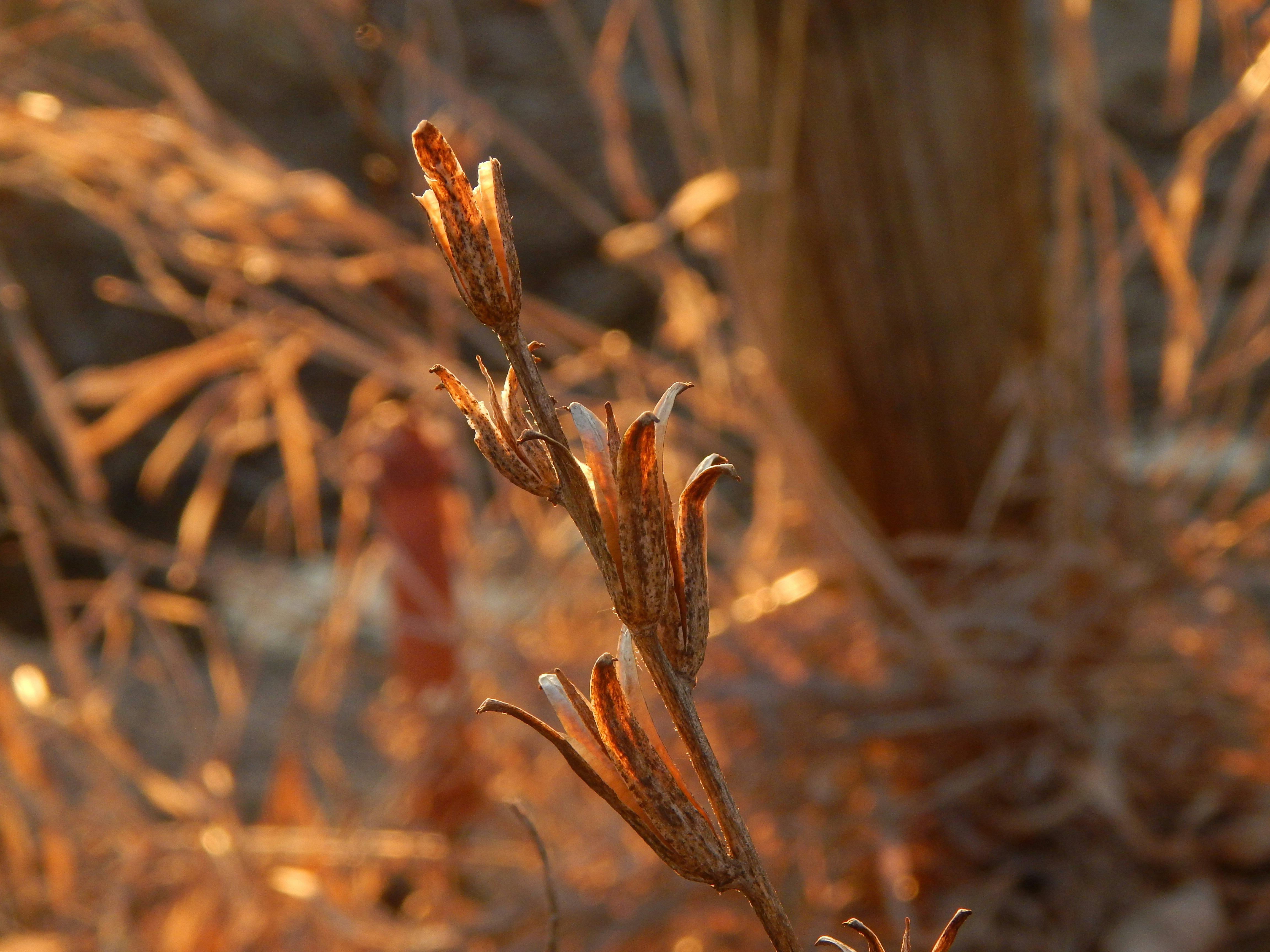
As summer approaches, rising temperatures and decreased rainfall can pose serious challenges for gardens, balconies, and terraces. Heat stress and lack of water can quickly affect plant health if you don’t take timely action.
At Planteka, we help you understand your plants’ needs throughout the year—with expert-led workshops, tailored advice, plant care services and practical guides to help you build and maintain a thriving green space. 🌿
Why do heat and drought affect plants so much?
- Faster water loss from both the soil and the plant’s leaves through evaporation and transpiration.
- Water stress that limits growth and makes plants more vulnerable to pests.
- Sunburn on young or sensitive leaves.
- Premature drop of leaves, flowers, or fruit as a survival response.
👉 Understanding these effects is the first step to protecting your plants effectively.
Practical strategies to help your plants survive the heat
1. Adjust your watering routine
- Water early in the morning or late in the evening to minimize evaporation.
- Water deeply but less frequently to encourage strong root growth.
- Avoid wetting the leaves—water directly at the base of the plant.
- Install a drip irrigation system for gardens or grouped pots—it’s more efficient and saves water.
💡 Have you tried bottom watering? It’s a great technique for small pots and moisture-sensitive plants. Learn more here.
2. Improve soil moisture retention
- Add a mulch layer (coconut coir, pine bark, or decorative gravel) to reduce evaporation.
- Enrich your potting mix with perlite, worm castings, or compost for better aeration and moisture balance.
💡 Avoid using only peat in very dry areas—it can become compacted and repel water over time.
3. Provide shade and shelter
- Move heat-sensitive pots into partial shade or under a light canopy.
- Group your plants to create a cooler, more humid microclimate.
- Use natural barriers like trellises, reed screens, or green curtains to block intense sun.
Mediterranean herbs like lavender, rosemary, and sage are well-suited to full sun and infrequent watering.
4. Reduce plant stress
- Avoid heavy pruning, repotting, or aggressive fertilizing during heatwaves.
- If you fertilize, use gentle, slow-release formulas.
- Don’t suddenly relocate your plants—abrupt changes in light and temperature can weaken them.
5. Choose heat-tolerant plants
Some species can withstand high temperatures and long dry periods with minimal care:
- Bougainvillea
- Oleander (Nerium oleander)
- Lantana
- Yucca
- Succulents and Sedum
- Agave
👉 Want more inspiration? Check out our guide to sun- and drought-resistant plants here.
Signs your plant is struggling with heat or drought
- Dry, crispy, or burnt leaf edges
- Drooping or wilted leaves and flowers
- Soil that dries out too quickly after watering
- Slowed growth or a generally dull appearance
📍 Immediate action: Move to shade, check the soil, adjust your watering, and protect the roots.
Want to learn how to care for your plants all year round?
Join our Gardening Course for Beginners, available in Barcelona, Madrid, Valencia and online. Learn how to truly understand your plants and build a resilient green space that flourishes in every season.
🎁 Looking for a meaningful gift? The course is also available as a gift card—perfect for that friend who just started their plant journey.
💬 Do you have a go-to strategy to protect your plants from the summer heat? Share it in the comments—we’d love to hear it!

 Planteka Community Blog
1 Comment