
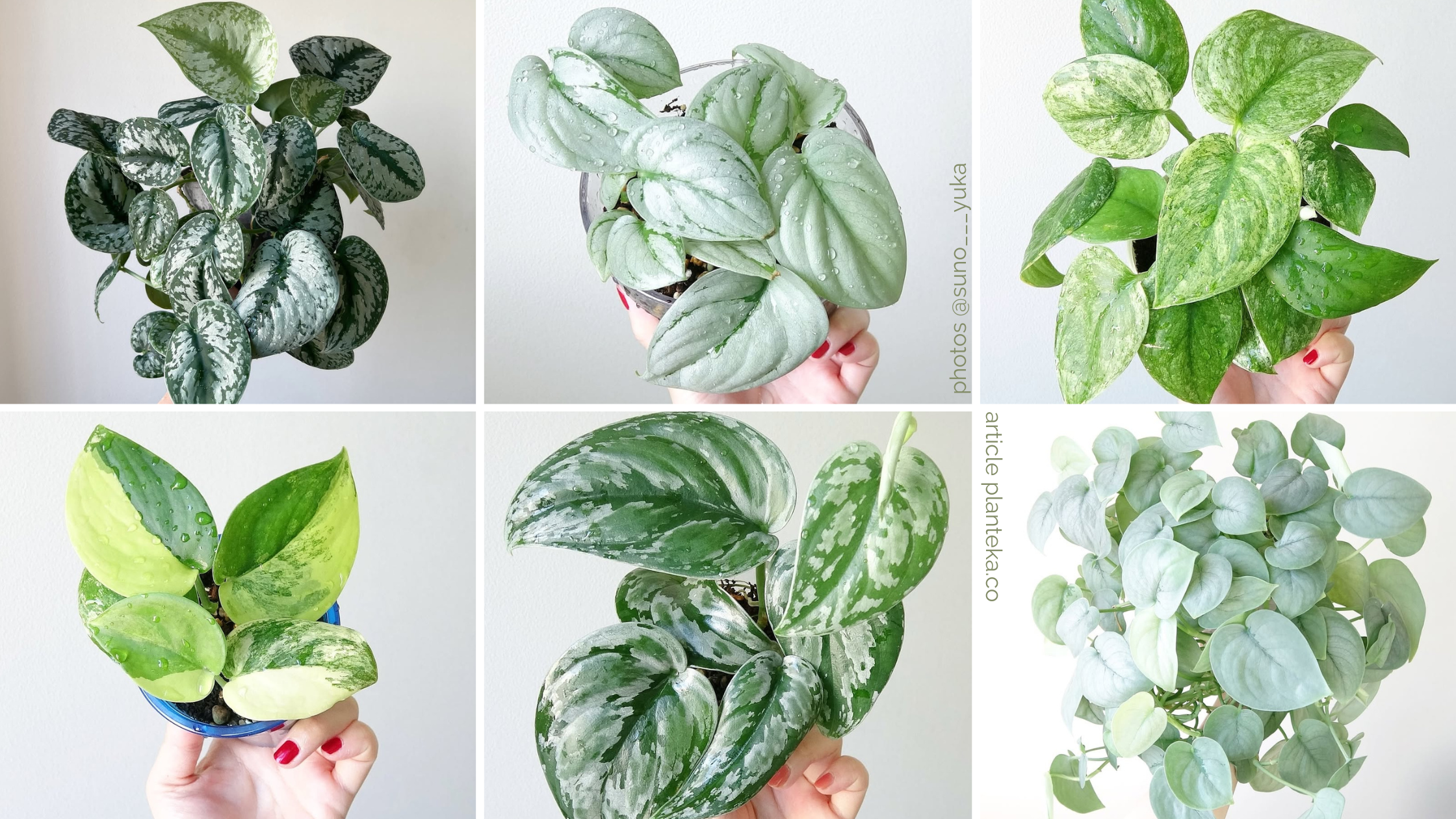
Scindapsus pictus, often called Satin pothos, Silver pothos or Silver Vine, is a breathtaking plant known for its velvety, heart-shaped leaves adorned with shimmering silver variegation. Its elegant appearance and relatively low maintenance make it a favourite among indoor plant enthusiasts. Although commonly confused with pothos (Epipremnum aureum) and philodendrons (Philodendron hederaceum), Scindapsus pictus is a unique species in its own right.
In this guide, we’ll dive deep into everything you need to know about this stunning plant family—from its care and propagation to styling ideas and troubleshooting common issues. Whether you’re a beginner or a seasoned plant parent, this guide will ensure your Scindapsus thrives.
Before we dive in, we’d love to thank Yuka Suno, Scindapsus enthusiast, for the beautiful photos you see in this article.
Understanding Scindapsus

Origins and natural habitat
Scindapsus is native to Southeast Asia, including India, Bangladesh, Thailand, Malaysia, Borneo, and the Philippines, where it thrives in tropical forests. This epiphytic vine climbs trees in its natural habitat, relying on aerial roots to anchor itself while absorbing nutrients from the humid air. This adaptability explains its ability to grow as both a trailing plant and a climbing vine in homes. However, it produces larger leaves when climbing, a detail many growers overlook.
Some of the popular varieties include scindapsus pictus exotica, Silver Ann, Silvery satin. Each variety offers its own unique charm, making Scindapsus pictus a versatile choice for collectors. Above you can see some other varieties: Scindapsus Silver Princess, Scindapsus Marble Queen, Scindapsus Jade satin variegata, Scindapsus Dark Princess and Scindapsus almost silver. You can also see videos by Yuka Suno in our recent Instagram post about scindapsus.
How to distinguish Scindapsus pictus from pothos and philodendrons
While Scindapsus pictus shares similarities with pothos and philodendrons, key differences set it apart:
- Leaf texture and appearance
- Scindapsus pictus: Velvety, matte, thick and leathery leaves with silver splashes.
- Pothos: Glossy, waxy leaves often variegated in yellow or cream.
- Philodendron: Smooth, heart-shaped leaves with a thinner, more delicate texture.
- Growth rate
- Scindapsus pictus: Slower-growing, requiring patience.
- Pothos: Fast-growing vines.
- Philodendron: Moderate growth, typically bushier in appearance.
- Light sensitivity
- Scindapsus pictus is more sensitive to direct sunlight, which can scorch its leaves, while pothos and philodendrons are slightly more forgiving.
Recognizing these differences helps in understanding and meeting the specific needs of your plant.
Why the confusion?
The confusion often arises because all three plants belong to the same family, Araceae, and share similar care requirements. Their vining growth habits also make them popular choices for hanging baskets and trellises. However, knowing these distinctions ensures that you can accurately identify your plant and meet its specific needs.
How to care for your Scindapsus
To maintain the beauty of its silvery foliage, it’s essential to mimic its natural tropical habitat as closely as possible.
1. Light requirements
Scindapsus thrives in bright, indirect light but can tolerate low-light conditions. However, insufficient light may result in faded variegation or leggy growth. Avoid exposing it to direct sunlight, as its delicate leaves are prone to scorching. A north- or east-facing window is ideal, or filter light using sheer curtains.
2. Watering
The most common mistake is overwatering. Follow these guidelines:
- Allow the top 2-3 inches of soil to dry before watering.
- Ensure the pot has drainage holes to prevent root rot.
- Water less frequently in winter when the plant’s growth slows.
Signs of overwatering include yellowing leaves and soggy soil, while curling or drooping leaves often indicate underwatering.
3. Humidity and temperature
As a tropical plant, Scindapsus thrives in high humidity (50-70%) and temperatures between 18-29°C. Here’s how to increase humidity:
- Use a humidifier near the plant.
- Place it on a pebble tray filled with water.
- Group it with other plants to create a microclimate.
Avoid exposing the plant to drafts, air conditioning, or heaters, as these can cause stress and leaf drop.
4. Soil and repotting
Use a well-draining potting mix rich in organic matter, such as one designed for aroids. A mix of peat moss or coco coir for moisture retention, perlite or sand for aeration and drainage, worm castings for added nutrients, and standard potting soil works well. Repot every 1-2 years or when you notice roots growing out of the drainage holes.
5. Fertilizer
Feed your plant every 4-6 weeks during the growing season (spring and summer) with a balanced 10-10-10 or 20-20-20 liquid fertilizer diluted to half strength. Over-fertilizing can lead to salt buildup, so flush the soil occasionally to prevent nutrient imbalances.
6. Pruning and propagation
Prune your plant regularly to encourage bushier growth and maintain its shape. Propagation is simple via stem cuttings:
- Cut a 4-6 inch stem just below a node.
- Place the cutting in water or moist soil.
- Roots typically develop within 2-4 weeks.
Once the roots are established, transfer the cutting to a pot with fresh soil.
Common problems and how to fix them
While Scindapsus is generally considered an easy-to-care-for plant, certain issues can arise if its basic needs aren’t met. Recognizing and addressing these problems early can help ensure your plant thrives.
Yellowing leaves
Yellowing leaves are a frequent issue and can have several causes:
- Overwatering: This is the most common reason. When the soil remains soggy for extended periods, roots become waterlogged and start to rot, leading to yellowing foliage. Allow the soil to dry out between waterings and ensure the pot has adequate drainage.
- Underwatering: In some cases, underwatering can cause leaves to yellow and become crispy at the edges. Check the soil regularly to ensure it stays slightly moist but not wet.
- Insufficient light: A lack of light can also cause leaves to lose their vibrant color and turn yellow. Move your plant to a brighter spot with indirect sunlight.
Brown leaf tips
Brown tips on leaves often indicate:
- Low humidity: Scindapsus thrive in humid conditions. If the air in your home is too dry, consider increasing humidity levels using a humidifier, pebble tray, or by grouping plants together.
- Over-fertilization: Excessive fertilizer salts can build up in the soil, causing leaf burn. Flush the soil periodically to remove accumulated salts and reduce the frequency of fertilization.
Curling leaves
Leaves curling inward can result from:
- Underwatering: When the plant doesn’t get enough water, it conserves moisture by curling its leaves. Water the plant thoroughly and maintain a consistent schedule.
- Low humidity: Curling can also be a reaction to dry air. Boost the humidity around your plant.
- Pest infestation: Spider mites or other pests feeding on the plant’s sap may also cause leaf curling. Inspect the plant closely and treat it with insecticidal soap or neem oil if pests are present.
Slow growth
Sluggish growth is often due to:
- Low light levels: Without enough light, it cannot photosynthesize efficiently, slowing down its growth. Relocate the plant to a brighter area with filtered sunlight.
- Nutrient deficiency: If the plant isn’t receiving sufficient nutrients, especially during the growing season, it may struggle to produce new leaves. Use a balanced fertilizer every 4-6 weeks during spring and summer.
- Temperature stress: Temperatures below 65°F (18°C) can slow growth. Keep the plant in a warm, stable environment.
Dry, patchy leaves
Dry, discolored patches on the leaves may result from:
- Direct sunlight: Prolonged exposure to strong sunlight can scorch the leaves, leaving dry, bleached spots. Move the plant to a location with indirect light.
- Low humidity: As a tropical plant, Scindapsus pictus is sensitive to dry air. Increasing ambient humidity can prevent further damage.
Fading silver variegation
The striking silvery patterns on the leaves may fade under insufficient light. Low light conditions reduce the plant’s ability to maintain its vibrant variegation. Place the plant in bright, indirect light to restore its beauty.
Drooping or wilting
Drooping leaves can indicate:
- Overwatering or underwatering: Both extremes can cause the plant to wilt. Check the soil’s moisture level to determine if it’s too wet or too dry, and adjust your watering routine accordingly.
- Root rot: If the soil is consistently wet and the plant droops despite proper watering, root rot may be the culprit. Repot the plant in fresh, well-draining soil, trimming any blackened or mushy roots and treating with a fungicide before repotting to prevent reinfection.
Pest infestations
Common pests that affect Scindapsus include spider mites, mealybugs, and scale. These pests feed on the plant’s sap, causing damage such as curling leaves, yellowing, or sticky residue. Here’s how to manage them:
- Spider mites: Look for fine webbing on the undersides of leaves. Wipe the leaves with a damp cloth and treat with neem oil or insecticidal soap.
- Mealybugs: Remove visible pests with a cotton swab dipped in alcohol and spray the plant with a diluted neem oil solution.
- Scale: Gently scrape off scale insects and treat the plant with insecticidal soap.
Root rot
Root rot is a serious issue caused by overwatering or poor drainage. Symptoms include yellowing leaves, wilting, and a foul smell from the soil. To save the plant:
- Remove it from the pot and trim any affected roots.
- Repot in fresh, well-draining soil.
- Allow the soil to dry out between waterings.
Stunted or small leaves
If the plant produces unusually small leaves:
- Inadequate light: Insufficient light can stunt growth and lead to smaller leaves. Move the plant to a location with better lighting.
- Lack of support: If growing as a climber, Scindapsus pictus often produces larger leaves when trained to climb a moss pole or trellis.
- Nutrient deficiency: Feed the plant regularly during the growing season to encourage robust growth.
Overcrowded roots
If the plant seems unhealthy despite proper care, it may be root-bound. Symptoms include slowed growth, yellowing leaves, and roots poking out from the drainage holes. Repot into a larger container with fresh soil to give the roots more room to expand.
Styling and placement ideas
The Scindapsus pictus is not only a resilient and rewarding plant to care for but also a stunning addition to any home decor. Its cascading vines, adorned with silvery patterns, make it a versatile choice for various settings.
Create cascading displays
The natural trailing habit of Scindapsus pictus makes it ideal for hanging arrangements or elevated placements.
- Hanging baskets: Use minimalistic or decorative hanging pots to let its vines cascade freely. Position the basket near a window with bright, indirect light.
- Bookshelves or cabinets: Place the plant on the top shelf of a bookcase or cabinet and let the vines spill over the edges. It adds a lush, natural element to these otherwise linear structures.
- High ledges or mantels: Make use of high ledges or mantels where the vines can grow downwards elegantly.
Incorporate into interior design
- Plant stands: Elevate your Scindapsus pictus with a simple plant stand to create a dedicated focal point. Choose a neutral stand to complement the plant’s silver and green tones.
- Side tables: During its shorter growth phases, use the plant as a tabletop accessory to add greenery to your living space or bedroom.
Brighten windows and walls
Position your plant near light sources to enhance its growth and visual appeal.
- Window sills: Place it on a sill of an east- or north-facing window, where it gets enough indirect sunlight.
- Vertical gardens: Incorporate the plant into vertical wall gardens or mounted planters for an artistic touch.
Train the vines to climb
Scindapsus pictus can also be trained to climb.
- Moss poles: Use a moss pole to guide the vines upwards, encouraging larger, more mature leaves.
- Trellises or grids: Attach the plant’s stems to a trellis or wall grid for a living wall effect. This setup also works well in smaller spaces to maximize greenery without taking up floor space.
Bathrooms and kitchens
The Scindapsus pictus thrives in high-humidity environments, making it a perfect fit for these areas (do add the growth light if you don’t have any windows though!)
- Bathrooms: Position it on a shelf or hanging basket in a well-lit bathroom to take advantage of natural humidity.
- Kitchens: Place it above cabinets or on a countertop to add a fresh and vibrant touch.
Layer with other plants
Combine your satin pothos with other plants to create visual interest. Pair it with plants like pothos, philodendrons, or ferns to add contrasting textures. Arrange multiple plants in varying heights and pot styles for a dynamic, lush display.
Keep away from pets! Satin pothos is toxic to pets, ensure it’s placed out of their reach.
Looking for expert help?
If you’re struggling with your Scindapsus pictus or any other plant, Planteka’s plant doctors are here to help! Schedule a consultation to get personalized advice and keep your indoor garden thriving.

 Planteka Community Blog
3 Comments