
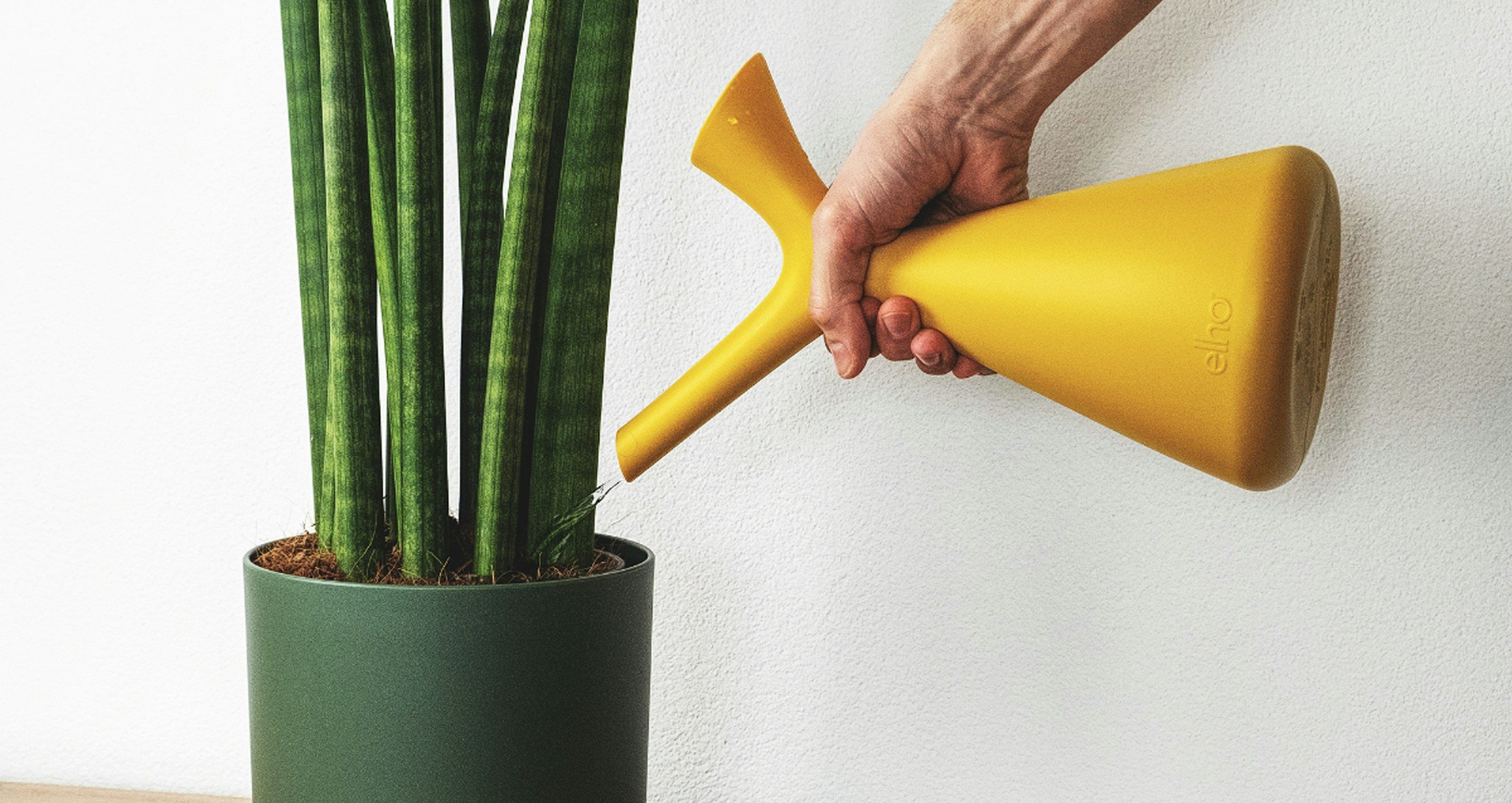
Watering your plants may seem like a simple task, but timing plays a crucial role in keeping them healthy and thriving. Watering at the wrong time can lead to evaporation loss, fungal issues, or even root rot. So, when is the best time of day to water your plants? Let’s explore the science behind plant hydration and how to get the most out of your watering routine.
Why does the timing of watering matter?
Plants rely on water for photosynthesis, nutrient uptake, and temperature regulation. Morning watering allows plants to utilize water during the day for photosynthesis and reduces the risk of fungal growth, as excess moisture on foliage can dry out. Evening watering can result in prolonged moisture on leaves and soil, creating a conducive environment for diseases. Water sits in the soil for longer at night, which can encourage fungus, mold, and root rot. Lower temperatures slow down plant metabolism, meaning water uptake is reduced. If leaves stay damp overnight, your plant is more prone to bacterial and fungal infections.
Tip: Experiment with bottom watering: chances are your plants will prefer it! We wrote an article about how to do it correctly here.
What is the best time of day to water houseplants?
Morning (6 am – 10 am): the best time
The best time to water indoor plants is early in the morning.
Why?
- The soil is still cool, so water absorbs more efficiently.
- Excess moisture evaporates gradually, reducing the risk of fungal growth.
- Plants stay hydrated throughout the day, helping them withstand dry indoor air from heating, air conditioning, or sunlight.
Tip: Make morning watering a habit by checking your plants while you make coffee or breakfast.
What if you can’t water in the morning?
Early evening (5 pm – 7 pm): the second-best option
If you can’t water in the morning, early evening is the next best time. However, be cautious:
- Water sits in the soil for longer at night, which can encourage fungus, mold, and root rot.
- Lower temperatures slow down plant metabolism, meaning water uptake is reduced.
- If leaves stay damp overnight, your plant is more prone to bacterial and fungal infections.
How to avoid problems with evening watering:
- Water only the soil, not the leaves.
- Ensure your plant has good airflow to help excess moisture evaporate.
- Empty any standing water from saucers to prevent root rot.
When should you avoid watering houseplants?
Midday (11 am – 3 pm): the worst time
Watering in the middle of the day is not recommended, especially in bright, sunny rooms.
- Water evaporates before the plant can absorb it.
- Plants slow down water uptake when temperatures are high.
- Water droplets on leaves can act like magnifying glasses, causing sunburn.
Exception: If your plant is wilting and showing severe signs of dehydration, you can give it a small drink of water at the base, but avoid overwatering.
Tip: Group plants with similar watering needs together to make watering easier and more efficient.
Signs you’re watering at the wrong time
🚩 Wilting during the day but recovering at night → You may be watering too late or too infrequently.
🚩 Yellowing leaves or mold on soil → Could be caused by watering at night.
🚩 Slow growth despite proper light and fertilization → Inconsistent watering times can affect nutrient uptake.
🚩 Crispy leaf edges → Watering in the middle of the day may be causing moisture to evaporate too quickly.
Common questions about watering houseplants
Do self-watering pots follow the same rules?
Yes! Fill the reservoir in the morning so plants can absorb water gradually throughout the day.
Can I water my plants at night?
It’s best to avoid night watering, as prolonged moisture can promote fungal growth. If you must water in the evening, do it before 7 pm, avoid wetting the leaves, and ensure good airflow.
Should I water my plants every day?
No. Most houseplants prefer deep watering once in a while rather than small amounts daily. Overwatering is a bigger problem than underwatering. Only water when the soil is dry.
Can I water my plants with cold water?
No. Cold water can shock the roots. Always use room-temperature or lukewarm water.
What if I need to water my plants while on vacation?
- Water them before you leave, but only if the soil is dry.
- Use watering globes or self-watering spikes.
- Use Planteka’s plant sitting service – we’ll take good care of your plants so they can have a vacation too while you’re gone 😉
Can I use tap water for my plants?
Tap water is usually acceptable, but some plants are sensitive to chlorine or fluoride. Letting tap water sit overnight can allow chlorine to dissipate. The best option would be to use distilled or rainwater if possible.
Can overwatering kill a plant?
Yes, overwatering can lead to root rot, depriving the plant of oxygen and causing death. If you suspect that that is what happened to your plant, try to save it following the steps from this article.
How often should I water my houseplants?
Frequency depends on factors like plant type, pot size, and indoor climate. Generally, water when the top inch of soil feels dry.
By understanding the science of watering and tailoring your routine to your plants’ specific needs, you can cultivate a thriving indoor garden that brings beauty and tranquility to your living space. If you want to learn more about the science behind plant care – join Planteka’s plant care workshops in Barcelona and Madrid, or maybe even our gardening course for beginners to have a head start into the world of gardening.

 Planteka Community Blog
1 Comment