
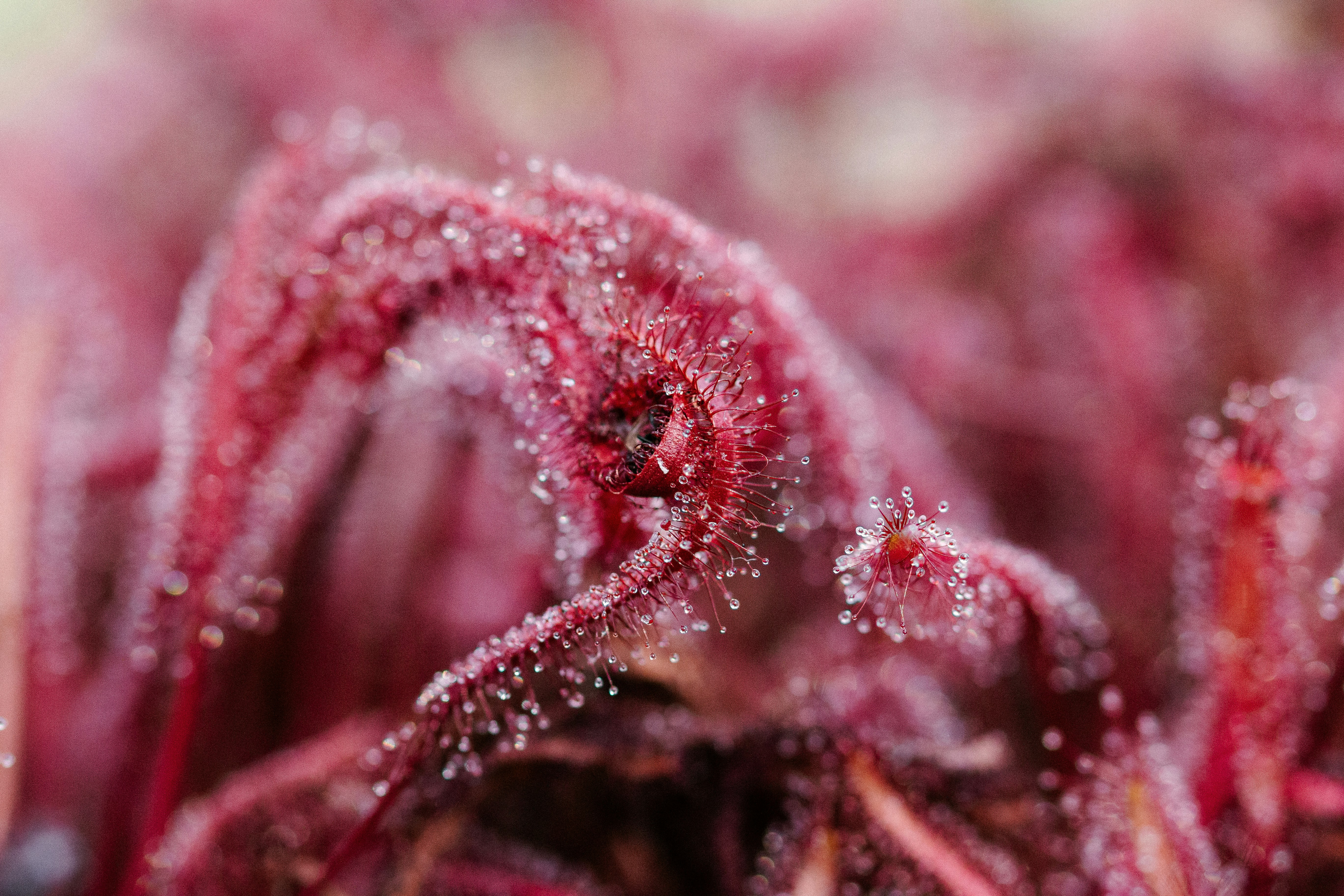
As Halloween approaches and the air becomes crisp with the change of season, our homes and gardens take on a spooky allure. What better way to embrace the eerie vibe than with your own little monster—a carnivorous plant! These fascinating, insect-eating plants not only add a touch of mystery to your home but are also incredibly captivating to care for. Whether you’re a seasoned gardener or a curious beginner, caring for these quirky plants is both rewarding and a little spooky. Let’s dive into the world of carnivorous plants and learn how to nurture these fascinating creatures!
What makes carnivorous plants so special?
Carnivorous plants are unique because they have adapted to survive in environments where the soil is nutrient-poor. In order to thrive, they’ve evolved to catch and digest insects, drawing in essential nutrients from their prey. This extraordinary adaptation makes them stand out from other plants, and their alien-like appearance makes them perfect for Halloween or any time of the year when you want to add some intrigue to your indoor garden.
Types of carnivorous plants for indoor growing
There are several species of carnivorous plants that can be grown indoors, each with its own fascinating method of trapping and digesting prey. Here are the most popular ones:
1. Venus flytrap (Dionaea muscipula)
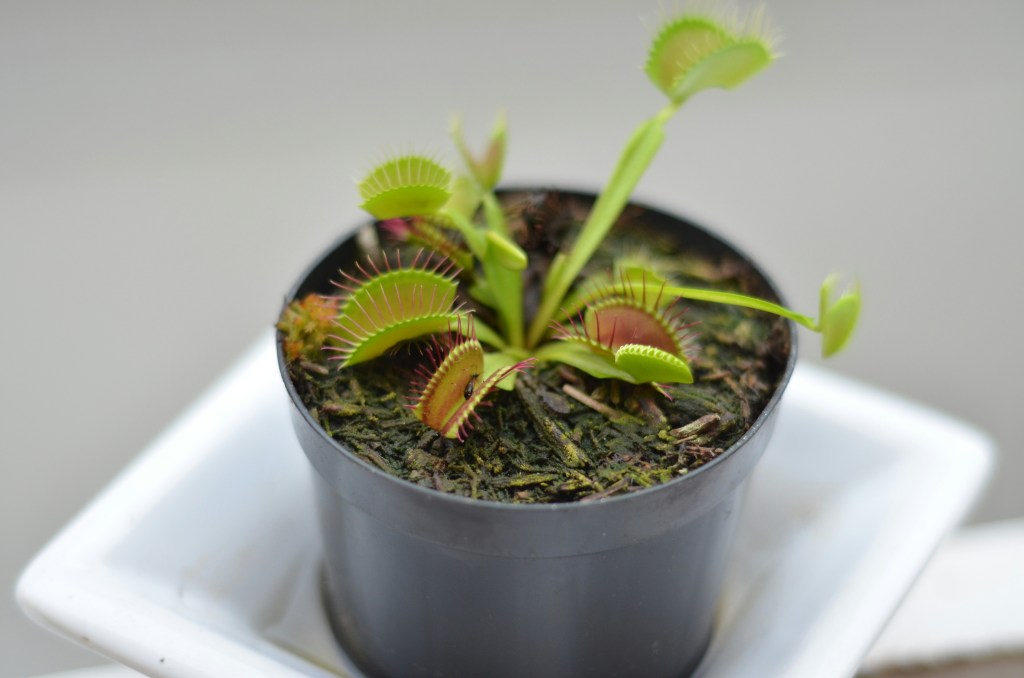
The Venus flytrap is probably the most famous of all carnivorous plants. Its leaves are hinged like a jaw, and when an unsuspecting insect triggers its tiny hairs, the trap snaps shut. After capturing its prey, the Venus flytrap releases digestive enzymes to break down the insect, absorbing nutrients over a few days.
- Light requirements: Venus flytraps need bright, direct sunlight for at least 4-6 hours a day. If natural light is limited, consider using a grow light to provide adequate illumination.
- Watering: These plants are sensitive to the chemicals found in tap water, so always use distilled water or rainwater. Keep the soil consistently moist but not soggy by placing the pot on a shallow tray of water.
- Feeding: You don’t need to feed your Venus flytrap insects regularly, but it can be fun to offer it a fly or spider every few weeks. Never feed it human food, as this can harm the plant.
2. Pitcher plants (Nepenthes spp. and Sarracenia spp.)

Pitcher plants are striking with their deep, vase-like structures that lure insects inside with sweet nectar. Once inside, the prey slips into the liquid-filled “pitcher,” where it drowns and is digested.
- Light requirements: These plants thrive in bright, indirect light. A sunny windowsill is ideal, but avoid direct afternoon sunlight, which can scorch their delicate pitchers.
- Watering: Like Venus flytraps, pitcher plants require distilled water or rainwater. Keep the soil slightly damp, but avoid waterlogging.
- Feeding: Pitcher plants are more self-sufficient and usually catch their own prey. However, if you’re growing them indoors, you can drop a small insect into the pitcher once every few weeks to supplement their diet.
3. Sundews (Drosera spp.)
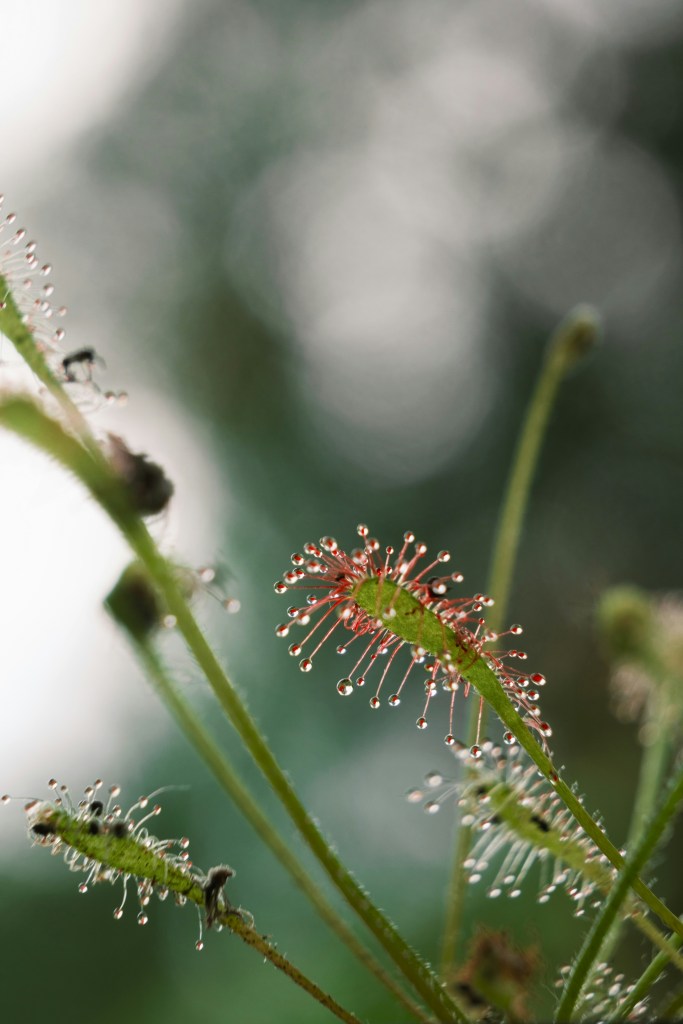
Sundews are small but deadly! These plants are covered in sticky, glandular hairs that secrete a glue-like substance. When an insect lands on the sundew, it becomes trapped in the sticky hairs, and the plant slowly wraps around it to digest its prey.
- Light requirements: Sundews need bright, direct sunlight to thrive, making a sunny windowsill the perfect spot. If you notice the plant looking weak, consider increasing the light exposure or using a grow light.
- Watering: Like other carnivorous plants, sundews need distilled or rainwater to avoid mineral build-up. Keep the soil consistently moist, but not waterlogged.
- Feeding: Sundews can catch their own food if there are enough insects around. However, you can supplement their diet by occasionally feeding them small insects like fruit flies.
4. Butterworts (Pinguicula spp.)

Butterworts are fascinating carnivorous plants that trap their prey with sticky, glandular leaves that appear to glisten like butter. Insects are lured by the sweet secretions and become stuck to the surface, where they are digested over time.
- Light requirements: Butterworts thrive in bright, indirect light. Avoid direct sunlight, especially during hot afternoons, as it can cause leaf burn.
- Watering: Use distilled water or rainwater and keep the soil moist but not too wet. A well-draining potting mix is essential to avoid root rot.
- Feeding: These plants can catch their own prey, but if grown indoors where insects are less common, you can occasionally offer small insects like gnats or aphids.
General care tips for all carnivorous plants
1. Humidity needs
Carnivorous plants come from environments with high humidity, so maintaining moisture in the air is crucial for their well-being. You can create a humid environment by misting the plants regularly or placing a humidity tray underneath the pots. A terrarium can also be a good solution for maintaining humidity.
2. Temperature requirements
Carnivorous plants generally prefer temperatures between 60-85°F (15-30°C). Avoid placing them in drafty areas or near heaters, as sudden temperature changes can stress the plant.
3. Soil and potting
Never use regular potting soil for carnivorous plants, as it contains too many nutrients. These plants thrive in nutrient-poor environments, so opt for a mix of sphagnum moss and perlite or sand. This soil mixture allows for proper drainage while maintaining the low nutrient levels that carnivorous plants need.
4. Dormancy
Some carnivorous plants, like Venus flytraps and pitcher plants, go through a dormancy period during the colder months. During this time, they may lose leaves or appear dead, but they’re just resting. Reduce watering and avoid feeding them during this period, and they’ll bounce back in spring.
Extra tips
While carnivorous plants are often found in wild, boggy environments, they can thrive indoors with the right care. Here are a few extra tips for indoor growing:
- Air circulation: Good air circulation is important for preventing mold and fungus, which can damage your plants. Place a fan near your carnivorous plants to keep the air moving, especially in terrariums.
- Avoid fertilizer: Carnivorous plants get their nutrients from the insects they catch, so avoid using any fertilizers, as this can harm or even kill the plant.
- Repotting: Every year or two, repot your carnivorous plant in fresh, nutrient-poor soil to ensure healthy growth. Be gentle with the roots, as they are delicate.
Carnivorous plants are not only fascinating to care for but also bring a touch of the mysterious and spooky to any home. Their insect-eating habits make them truly unique, and with the right care, they can thrive indoors, adding an eerie beauty to your space. If you’re new to carnivorous plants or need help troubleshooting plant issues, Planteka’s Plant Doctor service is here to assist you. Our experts can guide you through the care process, ensuring your little monsters remain healthy and strong all year round.

 Planteka Community Blog