
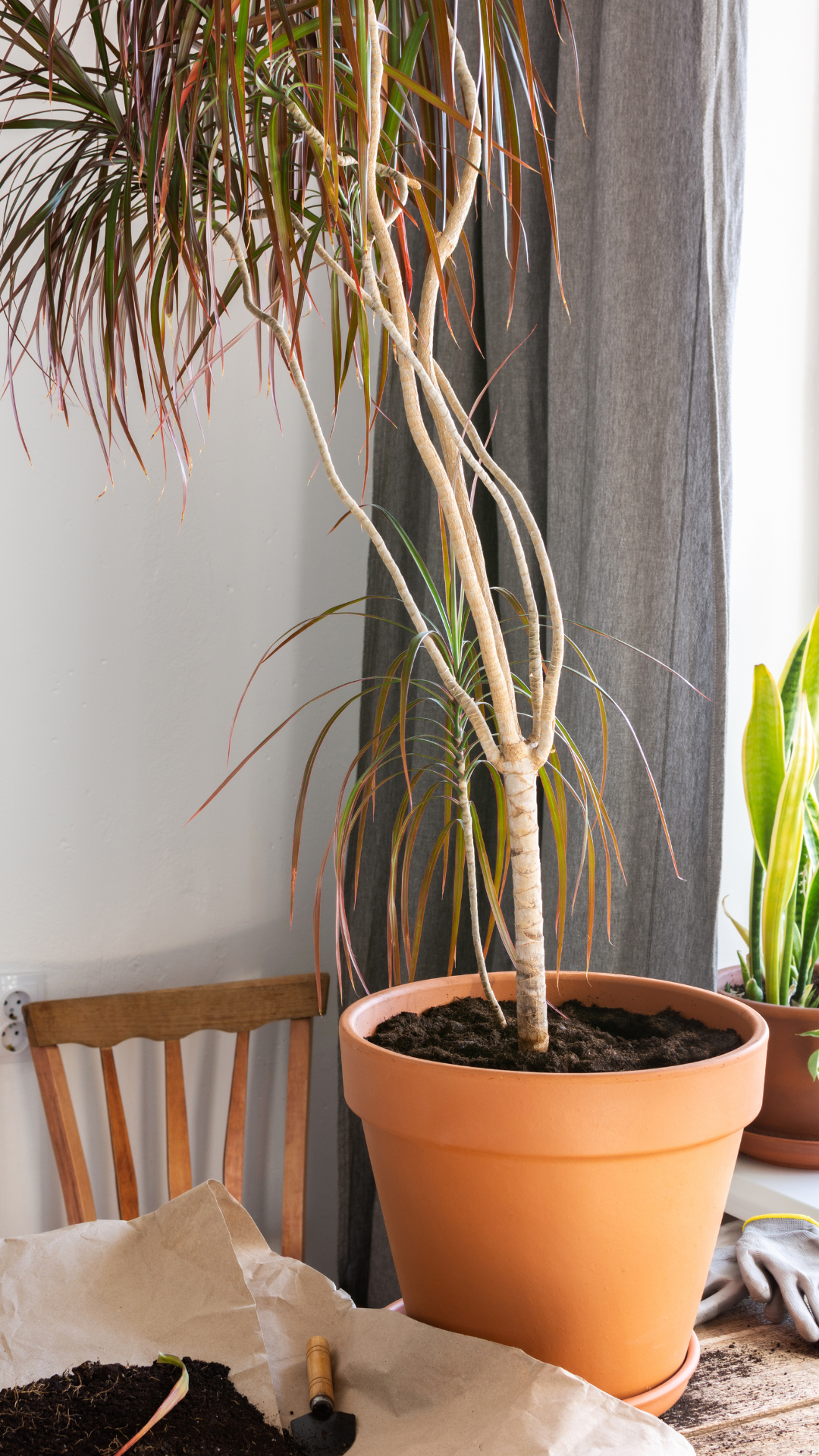
Overwatering is one of the most common mistakes plant owners make, especially for those new to gardening. Excess water can suffocate plant roots, leading to symptoms like yellowing leaves, root rot, and stunted growth. Fortunately, it’s possible to save overwatered plants if the issue is caught early enough. This guide will walk you through the process of diagnosing overwatered plants and offer practical steps to revive them.
Symptoms of an overwatered plant
Before attempting to revive a plant, you need to identify whether it’s truly suffering from overwatering. Look for these symptoms:
- Yellowing leaves: Often, lower leaves start turning yellow first.
- Wilting leaves: Despite the excess water, overwatered plants can appear wilted.
- Mushy, brown roots: Healthy roots are firm and white. Overwatered plants may have dark, mushy roots.
- Moldy soil: If you see mold on the surface of the soil, it’s a sign of excess moisture.
- Dropping leaves: A stressed plant might start dropping leaves, even if they aren’t yellow.
Step-by-step process to revive an overwatered plant
1. Assess the extent of the damage
The first thing you need to do is stop watering the plant. Carefully remove the plant from its pot to examine the roots. If the roots are white and firm, the plant is still healthy. However, if you notice brown, mushy roots, it’s a sign of root rot, which means the plant has been overwatered for too long.
If root rot has already set in, you may need to go a step further by treating the roots with a natural antifungal solution. You can rinse the roots in a diluted solution of hydrogen peroxide and water (1 part hydrogen peroxide to 5 parts water) before repotting. This helps kill any remaining rot-causing bacteria or fungus.
2. Prune damaged roots and leaves
Using a pair of clean, sterilized scissors or pruning shears, cut away any damaged or rotting roots. You should only keep the healthy white roots to give the plant a chance to recover. At the same time, remove yellow or wilted leaves to reduce the strain on the plant.
3. Dry out the plant
Allow the plant’s roots to air-dry for a few hours before repotting. This can be done by laying the plant on a clean paper towel or newspaper. It’s important not to rush this step, as drying out the roots helps prevent further rot and disease.
4. Repot the plant with fresh soil
Choose a pot with good drainage and add fresh, well-draining potting mix. Avoid reusing the old soil since it likely holds too much moisture. You can mix in materials like perlite, sand, or pumice to improve drainage, depending on the plant type.
5. Water sparingly at first
After repotting, refrain from watering immediately. Give the plant a few days to adjust to its new environment and let the roots recover. When you do water, ensure you use the right method: water the plant only when the top 1-2 inches of soil feel dry (or more for plants like succulents). Always pour water evenly around the soil, ensuring it drains well.
6. Adjust your watering routine
Now that your plant is in recovery mode, it’s important to establish a better watering schedule. Overwatering often occurs when plant owners don’t know how much water a plant really needs. For most indoor plants, water only when the soil is dry to the touch, and always make sure your pots have proper drainage.
7. Improve humidity control
In some cases, overwatering isn’t just about the amount of water but also environmental factors like humidity. If the plant is in a very humid environment, it may need less water than usual. For tropical plants, consider misting the leaves instead of saturating the soil. You can also place a humidity tray under the plant to help maintain the right moisture level in the air without drowning the roots.
8. Monitor plant recovery closely
After reviving an overwatered plant, it’s essential to monitor it closely. Look for new growth, as this is usually a sign that the plant is bouncing back. If the plant shows no signs of improvement after a few weeks, you may need to consider additional measures, like further trimming roots or moving the plant to a better-lit area.
Common plant types and their watering needs
Knowing the general watering requirements of different plants can help avoid overwatering. Here’s a quick guide:
- Succulents and cacti: These plants store water in their leaves and stems, so they require less frequent watering. Water them when the soil is completely dry.
- Tropical houseplants (e.g., ferns, peace lilies): These plants prefer consistently moist soil, but they can suffer from overwatering if left in soggy soil. Check the top layer of soil before watering.
- Herbs: Herbs like basil and mint prefer well-draining soil and should be watered when the top inch of soil dries out.
- Orchids: Orchids need a delicate balance. Water them once the roots look silver but avoid letting them sit in water.
Reviving an overwatered plant is possible with patience and the right approach. Keep in mind that while the signs of overwatering can be evident, diagnosing plant problems can sometimes be tricky. If you’re unsure about what’s wrong with your plant or need personalized advice, Planteka offers a Plant Doctor service, where you can schedule a video consultation with an expert who will guide you through the necessary steps to save your plant. Don’t let your plants suffer—get the help they need and watch them thrive again!

 Planteka Community Blog
4 Comments