
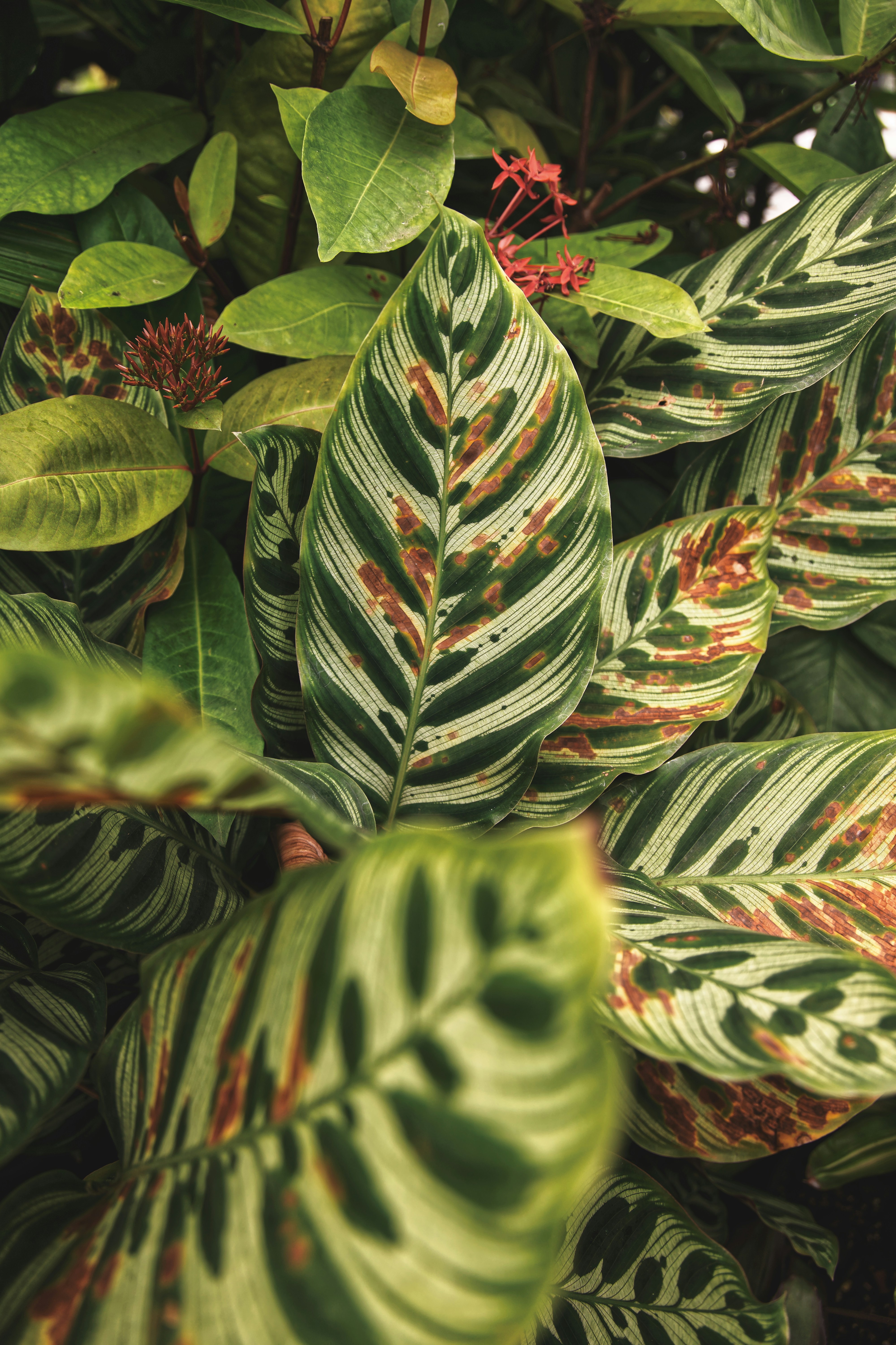
Taking care of houseplants can be both rewarding and challenging. Even with the best intentions, plants can sometimes start to wilt, yellow, or die without us knowing exactly why. If you’ve noticed your plants struggling, don’t panic. We’ve identified the top 10 reasons why your plant might be declining and how you can turn things around!
1. Overwatering
Overwatering is the number one reason plants die. Many people think that the more they water, the healthier the plant will be, but excess water can suffocate the roots and lead to root rot, which is fatal to most plants.
Signs of overwatering include yellowing leaves, mushy stems, and a constantly damp or foul-smelling soil.
How to fix it:
- Check the moisture level by sticking your finger about an inch into the soil. If it’s still wet, wait a few days before checking again.
- Ensure that your pot has proper drainage holes to allow excess water to escape.
- Switch to a well-draining potting mix, especially for plants like succulents that are prone to root rot.
Prevention tip: water your plant when the top 2–3 cm of soil feels dry. Using a moisture meter can also help gauge when it’s time to water.
2. Underwatering
On the flip side, not giving your plant enough water can be just as harmful. Plants that are underwatered often show signs of drooping, dry or crispy leaves, and soil that feels hard or completely dry to the touch.
How to fix it:
- Water your plant thoroughly until you see water draining from the bottom of the pot.
- For plants that like higher humidity (such as ferns or calatheas), you can mist them occasionally or place them near a humidifier.
- Be consistent with your watering routine based on the plant’s needs and environmental conditions.
Prevention tip: set a reminder or schedule to water your plants regularly, adjusting for seasonal changes.
3. Inadequate light
Plants need the right amount of light to thrive, but not all plants require the same intensity. Too little light can result in slow, weak growth, while too much light can cause sunburned leaves.
Signs of poor light conditions include leggy stems, pale leaves, or brown patches caused by sunburn.
How to fix it:
- Research the specific light needs of your plant. Some prefer bright, indirect light, while others thrive in low-light conditions.
- If your home lacks sufficient natural light, you can supplement with grow lights. These are especially useful in winter when daylight hours are shorter.
- Rotate your plant every few weeks to ensure even exposure.
Prevention tip: don’t be afraid to experiment by moving your plant around until you find the perfect spot for it to thrive.
4. Pot size issues
The size of the pot can make or break your plant’s health. A pot that’s too small will restrict root growth, leading to a lack of nutrients, while a pot that’s too large can retain too much moisture, causing root rot.
Signs that your plant is struggling due to its pot size include slow growth, roots growing out of the drainage holes, or water pooling at the bottom of the pot.
How to fix it:
- Choose a pot that is 2–5 cm larger in diameter than the current root ball of your plant.
- Make sure the pot has proper drainage holes to avoid waterlogging.
- Repot your plant every 1–2 years to give it fresh soil and more space to grow.
Prevention tip: regularly check your plant’s roots to ensure they have enough space, especially for fast-growing plants.
5. Pest infestation
Pests are a common culprit when it comes to ailing plants. Common indoor pests include spider mites, mealybugs, and aphids. These pests suck the sap from your plant, weakening it and causing discolored, deformed leaves.
How to spot it: Look for signs like tiny webs (spider mites), cotton-like clusters (mealybugs), or sticky residues on the leaves (aphids).
How to fix it:
- Isolate the affected plant immediately to prevent pests from spreading to other plants.
- Give your patient a thorough shower to remove the visible pests. Some pests may need specific insecticides, research it before acting. Apply the treatment weekly until the pests are gone.
- For minor infestations, wiping the leaves with a damp cloth can help remove pests manually.
Prevention tip: regularly inspect your plants, especially the undersides of leaves where pests often hide.
6. Wrong placement
Where you place your plant is crucial for its survival. Drafts, air conditioning, and heaters can dry out plants or expose them to sudden temperature changes. Some plants are more sensitive than others and can react negatively to such environments.
How to fix it:
- Keep your plants away from doors, windows with cold drafts, or areas with direct heat from radiators or heaters.
- For humidity-loving plants, consider placing them in more humid rooms, like the bathroom or kitchen.
- Use a humidity tray or mist regularly if you live in a particularly dry climate.
Prevention tip: always read the care instructions for your plant to make sure it’s placed in a suitable environment.
7. Nutrient deficiency
Nutrients in soil deplete over time, especially in potted plants. If your plant has been in the same soil for more than a year, it may suffer from a lack of essential nutrients like nitrogen, potassium, and phosphorus.
Signs of nutrient deficiency include yellowing leaves, poor growth, or pale, dull leaves.
How to fix it:
- Feed your plants with a balanced, water-soluble fertilizer during their growing season (spring and summer).
- Follow the recommended dosage and frequency to avoid over-fertilizing, which can burn the roots.
- Repot your plant in fresh soil every 1–2 years to replenish nutrients naturally.
Prevention tip: use slow-release fertilizers if you tend to forget to feed your plants, and always read the label before applying.
8. Poor air circulation
Indoor plants often suffer from stagnant air, especially in closed spaces. Good air circulation is essential to prevent mold, mildew, and pest infestations. Without it, plants can develop fungal diseases or struggle to transpire properly.
How to fix it:
- Ensure your plants are spaced out to allow air to circulate around them.
- Open windows occasionally to bring in fresh air or use a fan on a low setting to keep air moving.
Prevention tip: avoid overcrowding plants and periodically clean dust off their leaves to aid transpiration.
9. Shock from repotting
Plants can go into shock after being repotted, especially if they’re handled too roughly or moved from drastically different environments. Common signs of transplant shock include wilting, yellowing leaves, and slowed growth.
How to fix it:
- Handle the roots gently when repotting to minimize damage.
- Water the plant well after repotting, and keep it in indirect light for a few days to help it adjust.
- Be patient! Plants in shock may take a few weeks to recover fully.
Prevention tip: always repot during the growing season and avoid repotting during extreme heat or cold.
10. Seasonal changes
Plants can behave differently as seasons change. In winter, for example, shorter days and cooler temperatures can trigger dormancy in many houseplants, making them slow down or shed leaves.
How to fix it:
- Adjust your care routine based on the season. During winter, water less frequently, and avoid fertilizing dormant plants.
- Move plants closer to windows to compensate for the lower light levels.
Prevention tip: observe how your plant reacts to seasonal changes and modify its care accordingly.
Save your plants!
Keeping plants alive and thriving can sometimes feel like a challenge, but by identifying the root cause (pun intended) of the problem, you can turn things around. Whether it’s overwatering, inadequate lighting, or nutrient deficiencies, there’s always a solution. Remember, each plant is unique, so adjusting care to suit their specific needs is essential.
Not sure what’s wrong with your plant? With our Plant Doctor service, you can get personalized advice from gardening professionals, no matter where you are in the world. Whether you’re dealing with pest infestations, watering issues, or general care doubts, our experts are here to help. Your plants deserve the best care—contact us today!

 Planteka Community Blog