
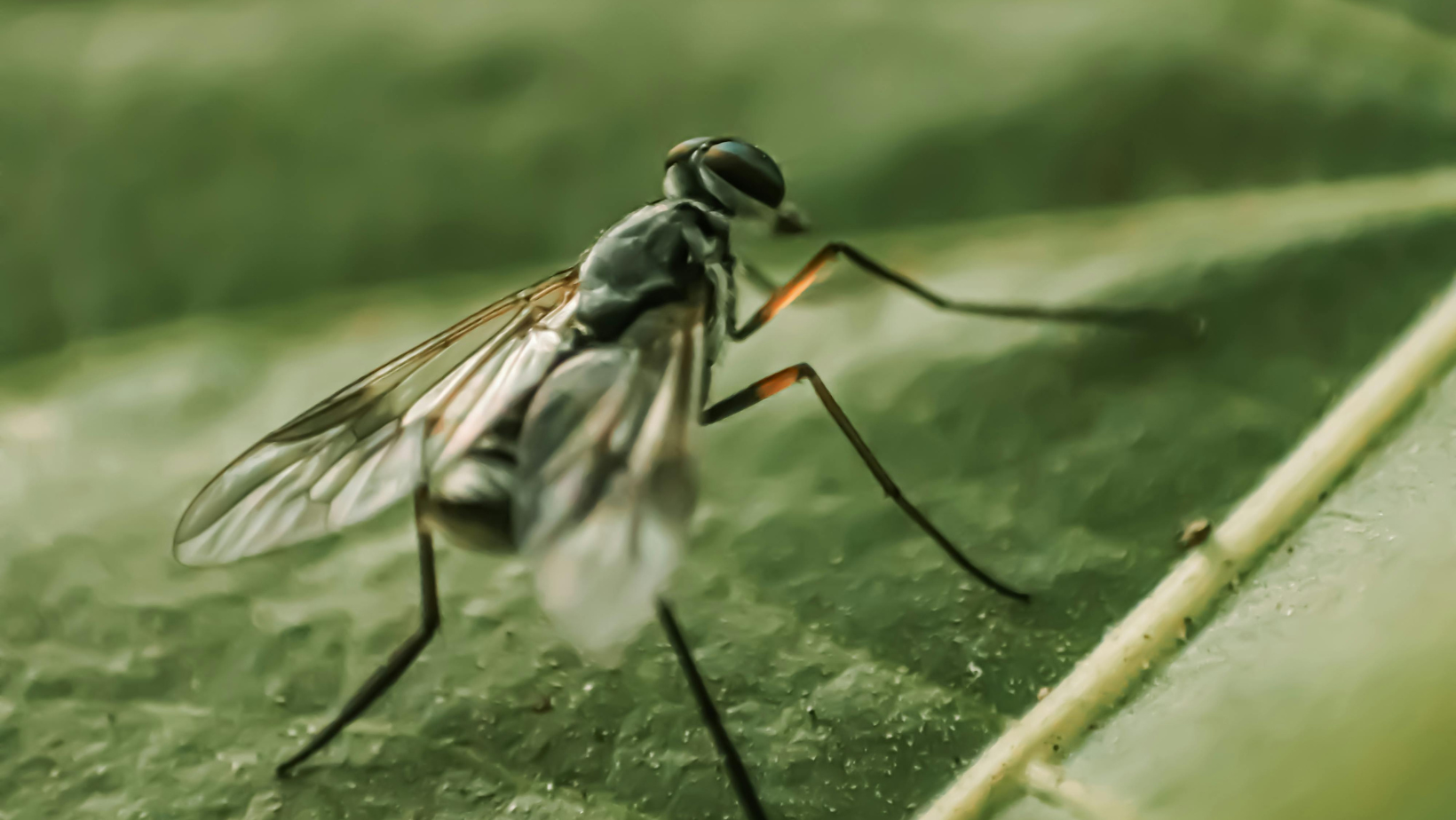
Fungus gnats, tiny flying insects belonging to the Sciaridae family, thrive in environments rich in moisture and organic matter. They are commonly found in indoor plant pots, greenhouses, and damp soil environments. Understanding their lifecycle, the environmental factors contributing to their growth, and effective remedies against them can help mitigate infestations.
Lifecycle of Fungus Gnats: Fungus gnats undergo a typical insect lifecycle consisting of four stages: egg, larva, pupa, and adult. The adult gnats lay their eggs in moist soil or organic matter, often targeting the top layer of potting soil in plant containers. The eggs hatch into larvae within a few days. These larvae, resembling tiny worms, feed on organic matter, fungi, and root hairs in the soil. As they mature, they pupate near the soil surface before emerging as adult gnats. This lifecycle can repeat every few weeks under favorable conditions, leading to rapid population growth.
Conditions Favoring Fungus Gnat Growth: Excessive moisture in the soil creates an ideal environment for egg-laying and larval development. Overwatering plants or allowing water to accumulate in saucers beneath pots provides ample breeding grounds for these insects. Additionally, organic matter-rich soil and decaying plant material attract fungus gnats as they serve as both food sources and breeding sites.
Remedies Against Fungus Gnats:
- Organic Pesticide: Select an organic pesticide capable of interrupting the entire lifecycle of fungus gnats. Look for ingredients such as rapeseed oil, which effectively targets the entire lifecycle of the gnats.
- Biological Controls: Introduce beneficial nematodes or predatory soil-dwelling insects like rove beetles or predatory mites to control fungus gnat larvae. These natural predators feed on the larvae, reducing infestations without the use of chemical insecticides.
- Yellow Sticky Traps: Place yellow sticky traps near infested plants to capture adult fungus gnats. The bright color attracts the gnats, trapping them and reducing the adult population.
- Preventive Measures to Avoid Excessive Moisture on Top Soil:
- Soil Drying: Allow the soil to dry out between watering sessions to disrupt the lifecycle of fungus gnats, discouraging egg-laying and inhibiting larval development.
- Improved Drainage: Ensure plant pots have adequate drainage holes to prevent water accumulation in the soil. Well-draining potting mixes also help maintain optimal soil moisture levels.
- Bottom Watering Technique: Submerge the plant pot in a bowl of water, allowing it to soak up water until the top layer of the potting medium feels moist. This method prevents excessive moisture accumulation.
- Soil Amendments: Adding a layer of sand or fine gravel to the soil surface deters adult fungus gnats from laying eggs, creating a barrier that restricts access to the soil for egg-laying purposes.
Diatomaceous earth and neem oil, while initially effective, may not provide long-term control as they do not fully interrupt the lifecycle of fungus gnats.
By implementing these preventive measures and remedies, you can effectively manage fungus gnat infestations and protect your plants from their damaging effects. Consistent monitoring and proactive management strategies are key to keeping these nuisance insects at bay and ensuring the health and vitality of your indoor garden or greenhouse plants.

 Planteka Community Blog
1 Comment